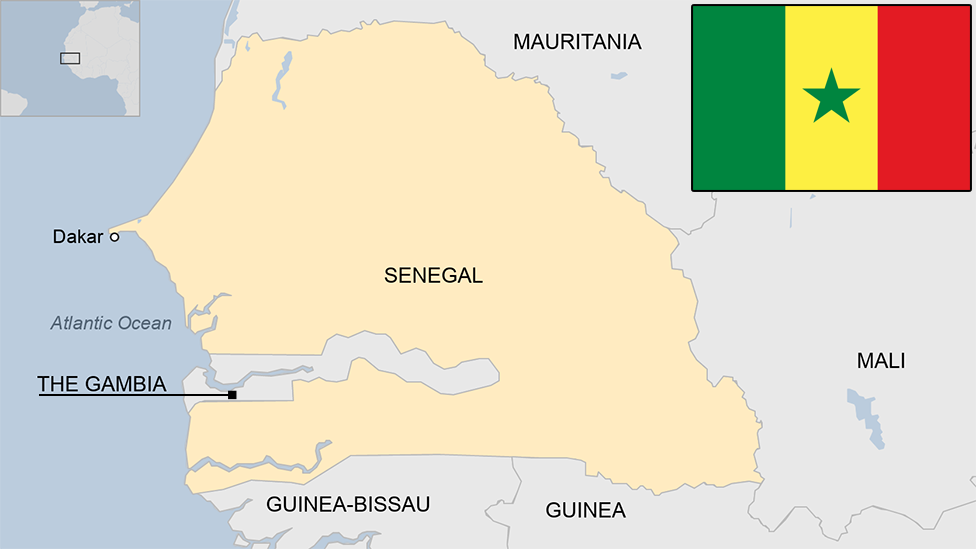
One of the most heard words in Senegal is “teranga,” hospitality in the Wolof language. This word, better than any other, succinctly represents the soul of this country, a philosophy, passed down from generation to generation and practiced daily. In Senegal, the spirit of community and welcome, are the gateway to the country’s rich culture. However, Senegal’s attractiveness is also linked to the climate of stability and peace, the absence of armed conflict. For this reason, numerous international institutions, NGOs, multinational corporations, choose Senegal as the base of their activities. The country is a member of the Economic Community of West African States, an organization that brings together 15 countries guaranteeing an area of free movement of people and goods to their citizens.
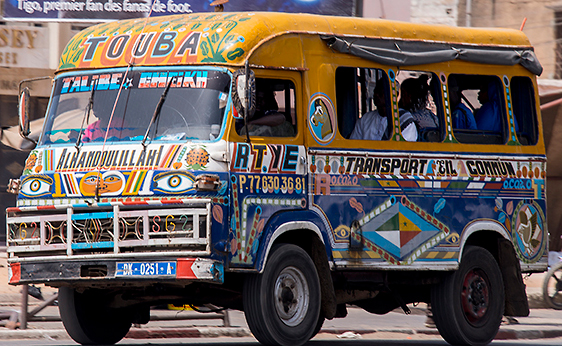
The car rapide
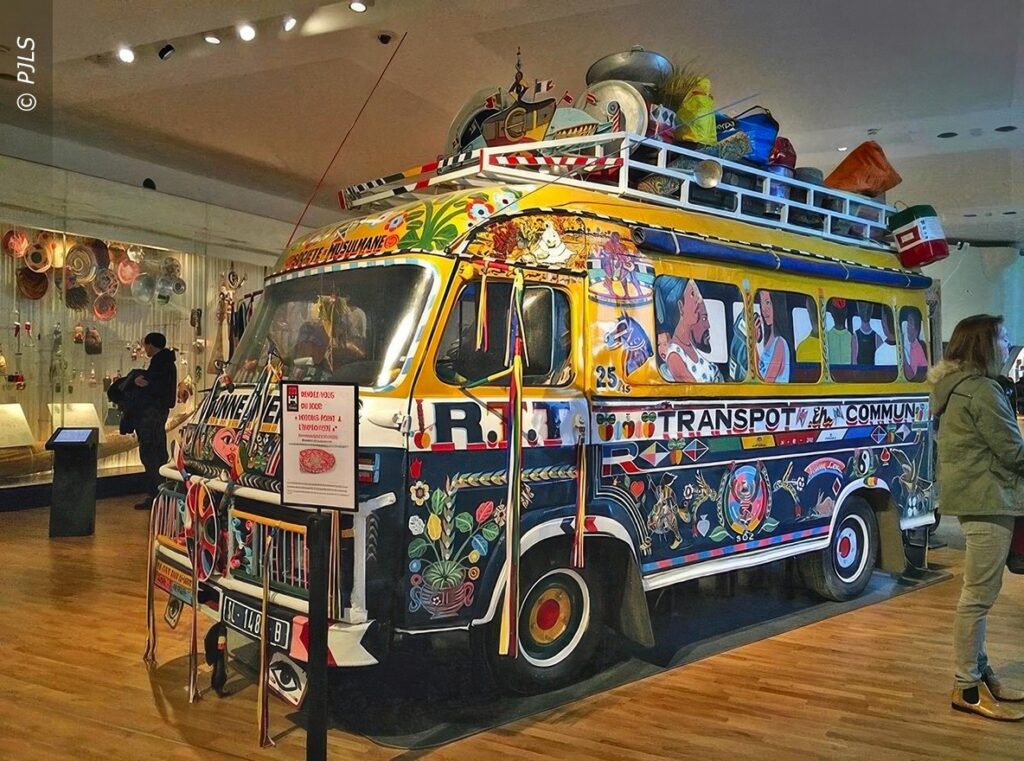
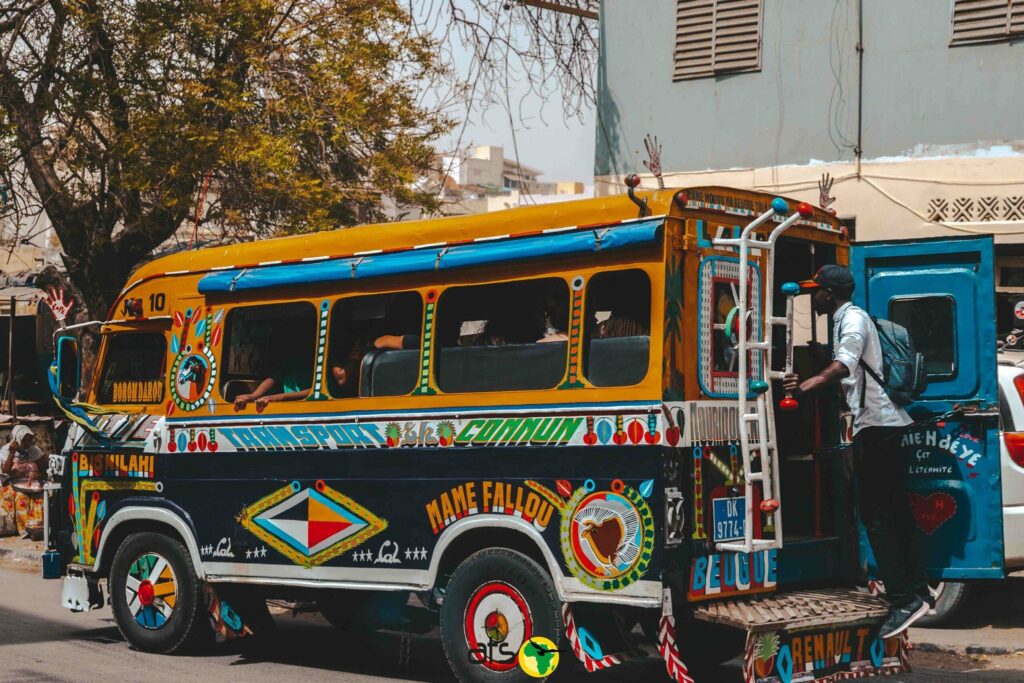
Like the yellow taxi of New York or London’s double-decker bus, the car rapide is a symbol of Dakar and Senegal. It is no coincidence that the Musée de l’Homme in Paris has also chosen to dedicate space to it. Imported from France, it first appeared on Senegal’s busy streets in the early 1970s, gradually becoming a living canvas that reflects the country’s dynamic culture. Each bus is a true work of art in motion, hand-painted with elaborate and colorful designs that embody a collective form of expression and storytelling. From religious symbols to portraits of local and national heroes, these decorations—created by skilled artists and craftsmen—represent the values, beliefs, and aspirations of the Senegalese people.
La Somone
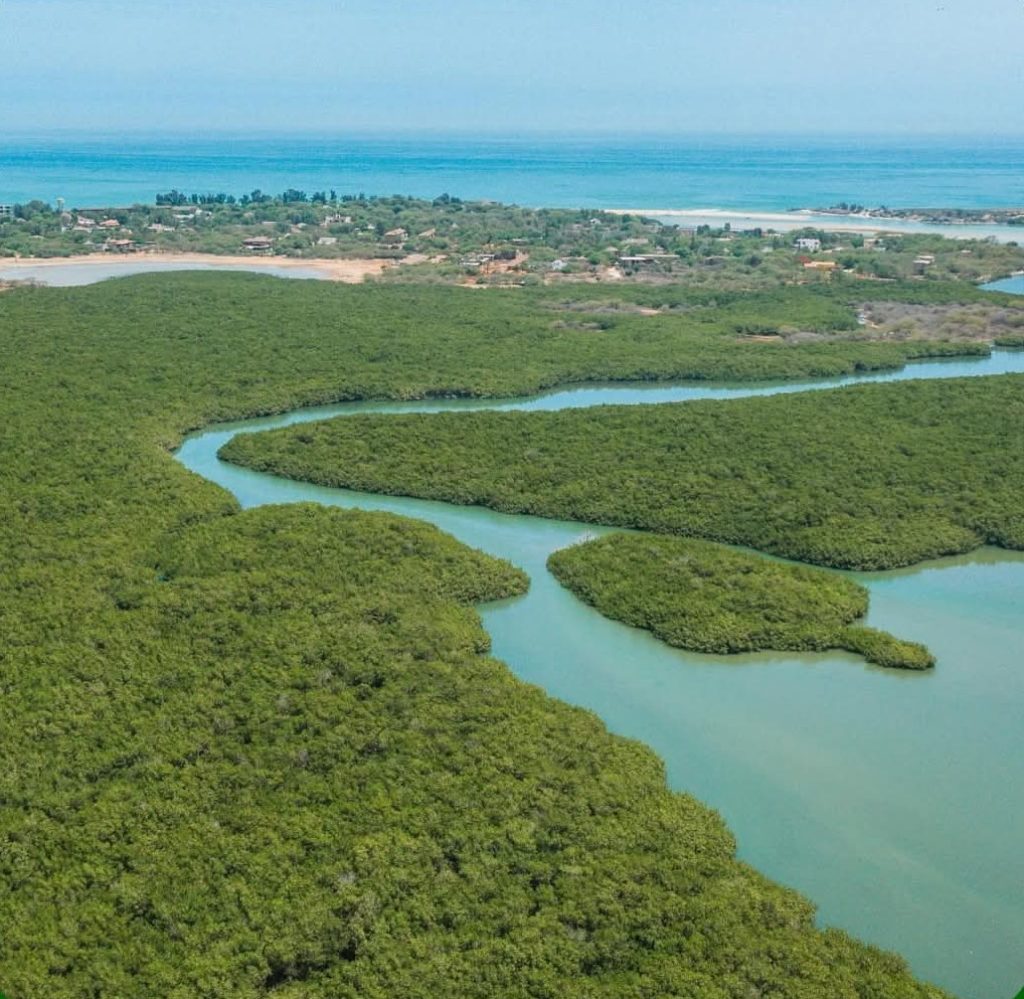
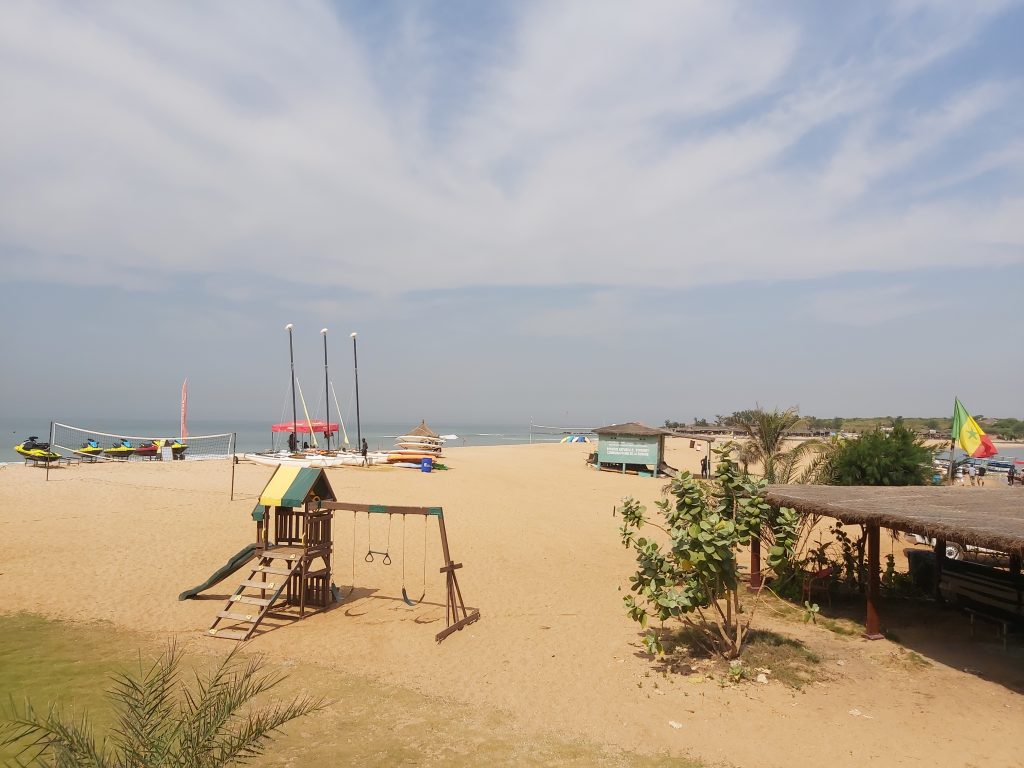
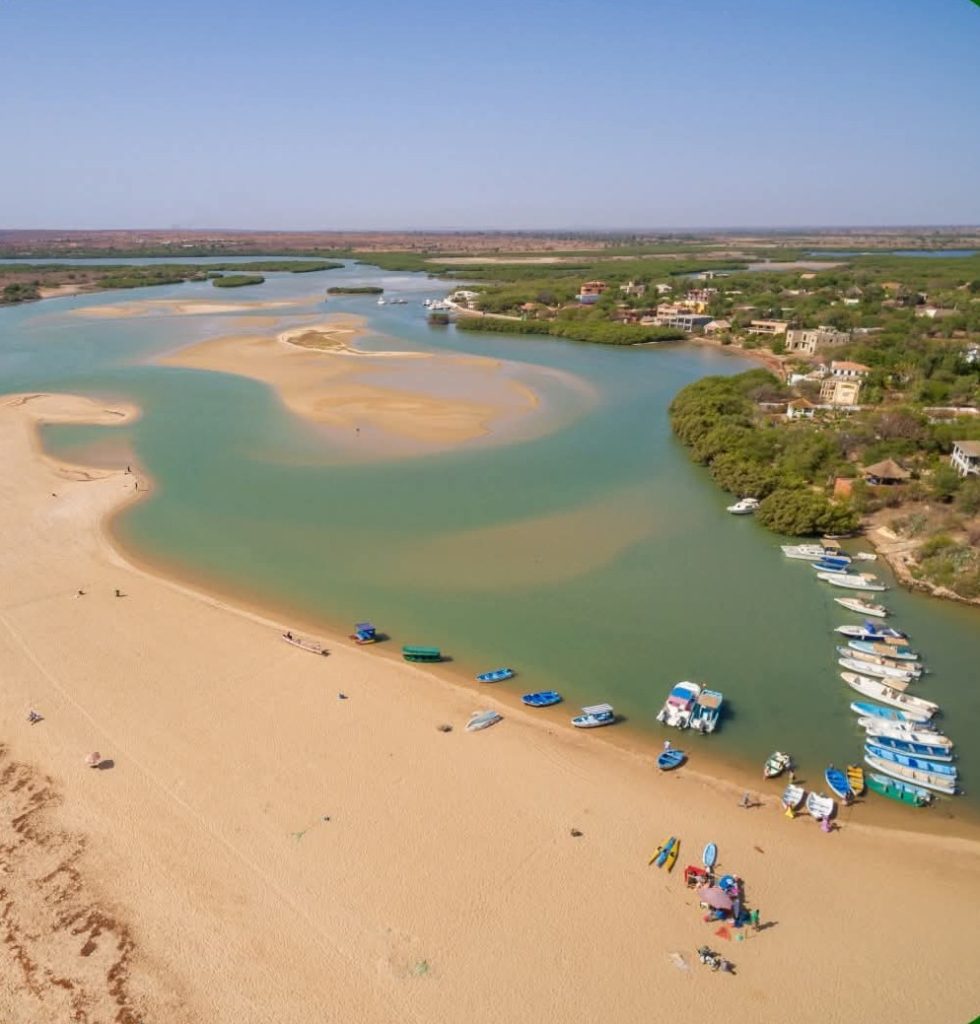
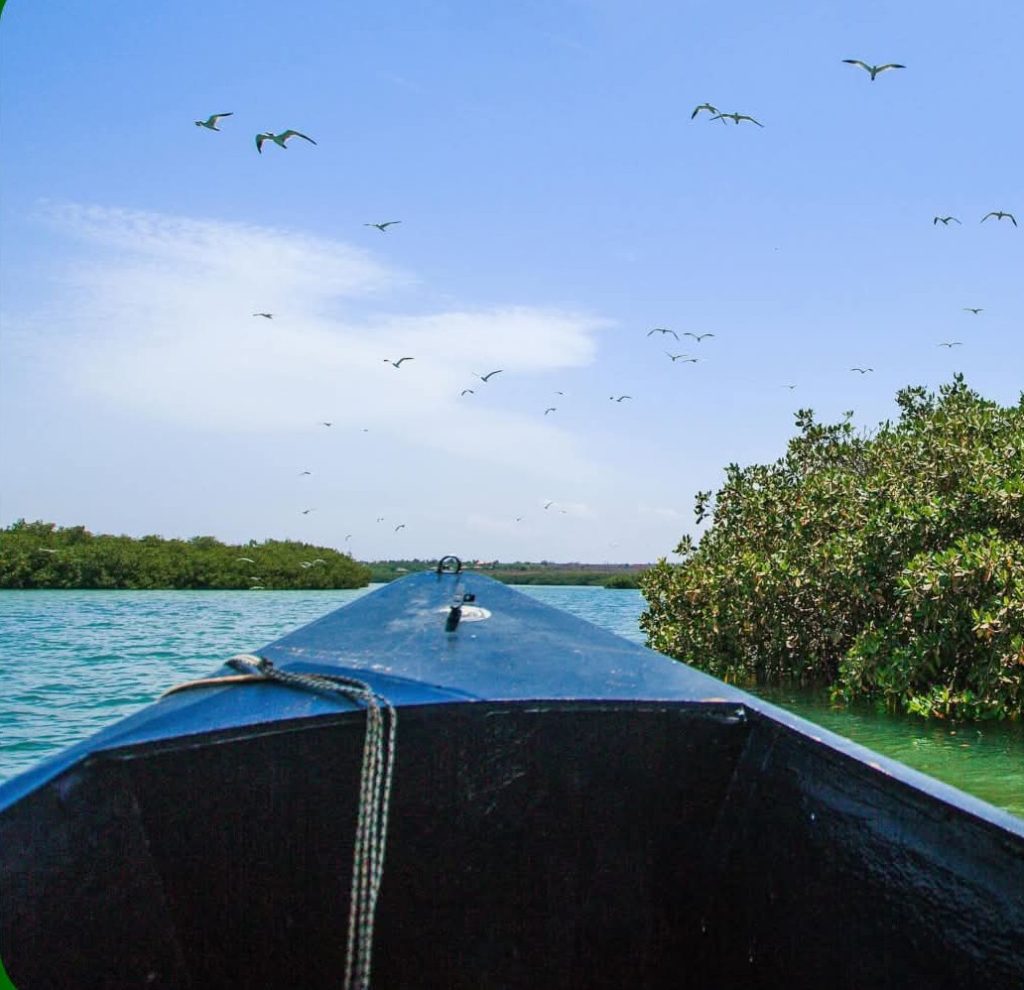
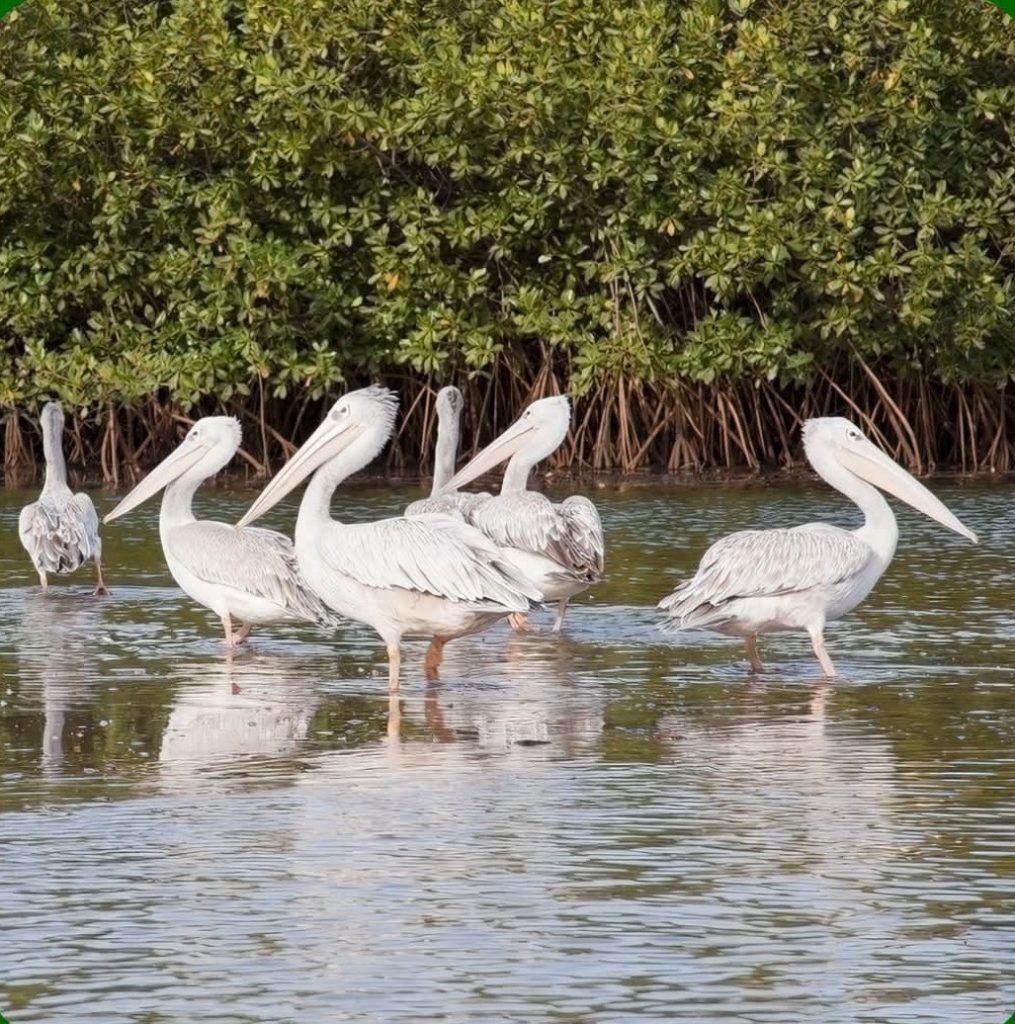
Our host hotel is located in La Somone, a village along Senegal’s Petite Côte that takes its name from a small local river. Its beach forms a peninsula that overlooks the Atlantic Ocean to the west, where all water sports are available, and to the east a beautiful lagoon that is a nature reserve cared for by local people. From your room you can walk to the beach and be led by dugout across the mangrove-lined lagoon waterways. Pelicans, herons and the beautiful pink flamingos live here. On a small, deserted island among the canals stands the Dwarf Baobab, from which it is auspicious to pay homage by hanging a shell on one of the branches.
Island of Gorée
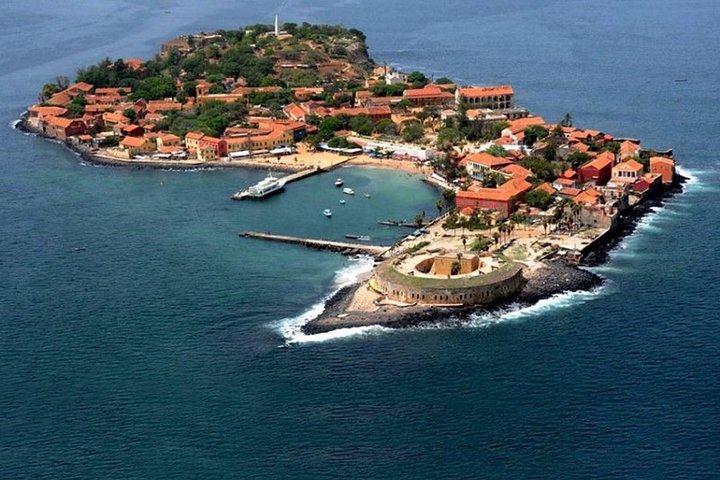
The excursion planned for Sunday, April 19, includes a visit to Gorée Island, which we will reach by a short ferry transfer from Dakar. Gorée, the first European trading port in Africa founded by the Portuguese in 1444, gained great importance in later centuries when the colonial powers involved in the slave trade chose it as a base because of its strategic location. European ships docked in Gorée to load their slave holds and depart for the Americas. Today Gorée, a peaceful and welcoming island that is home to the workshops of many artists and artisans in its beautiful pastel-colored colonial houses, is a UNESCO World Heritage Site and remains one of the world’s most important memorials to the trade. Its most emblematic symbol is perhaps that “Door of no return” which, from the Maison des Esclaves, opens onto the immensity of the Atlantic Ocean and to which great personalities of world culture have wished to look out: Nelson Mandela, George W. Bush, Bill Clinton, Michelle and Barack Obama, Pope John Paul II, Stevie Wonder, Michael Jackson, Harry Belafonte, Danny Glover, Angela Davis and many others. In particular, our friends from Guadeloupe will be able to appreciate the Statue de la Libération de l’Esclavage by Jean et Christian Moisa donated to Senegal by their country in 2002.